
The Ultimate Guide to DIFC Foundation Setup: Secure Your Legacy

Managing significant wealth across different borders often leads to a common, stressful realization: your hard-earned assets are vulnerable. Without a robust legal structure, your family’s financial future could be tied up in complex probate courts, subject to shifting regulations, or exposed to unforeseen liabilities. Many high-net-worth individuals find that traditional wills or offshore trusts simply don’t offer the balance of control and privacy required in today’s fast-moving economic climate.
The most effective solution to these challenges is a DIFC foundation setup. By establishing a foundation in the Dubai International Financial Centre (DIFC), you create a dedicated legal entity that holds assets independently, shielding them from personal risks while ensuring a smooth transfer of wealth to future generations. This guide provides a deep dive into how a DIFC foundation setup works, why it is the gold standard for asset protection in the Middle East, and the exact steps you need to take to get started.
What is a DIFC Foundation?
Before diving into the “how,” we must understand the “what.” A foundation is a unique legal hybrid. It carries the features of a company it has its own legal personality and can enter into contracts but it functions much like a trust by holding assets for specific purposes or beneficiaries.
Unlike a company, a foundation has no shareholders. It is an orphan entity. This means the assets held within the foundation are no longer part of your personal estate, which is the cornerstone of effective asset protection.
The Foundations Law (DIFC Law No. 3 of 2018)
The DIFC foundation setup is governed by a sophisticated legal framework based on Common Law. This provides a level of certainty and transparency that is highly valued by international investors. The 2018 law was designed specifically to cater to local and international families who want to manage their private wealth within a regulated, world-class financial hub.
Why Choose a DIFC Foundation Setup?
Dubai has many zones, but the DIFC stands out for several reasons. If you are considering a DIFC foundation setup, you are likely looking for a mix of security, flexibility, and tax efficiency.
1. Robust Asset Protection
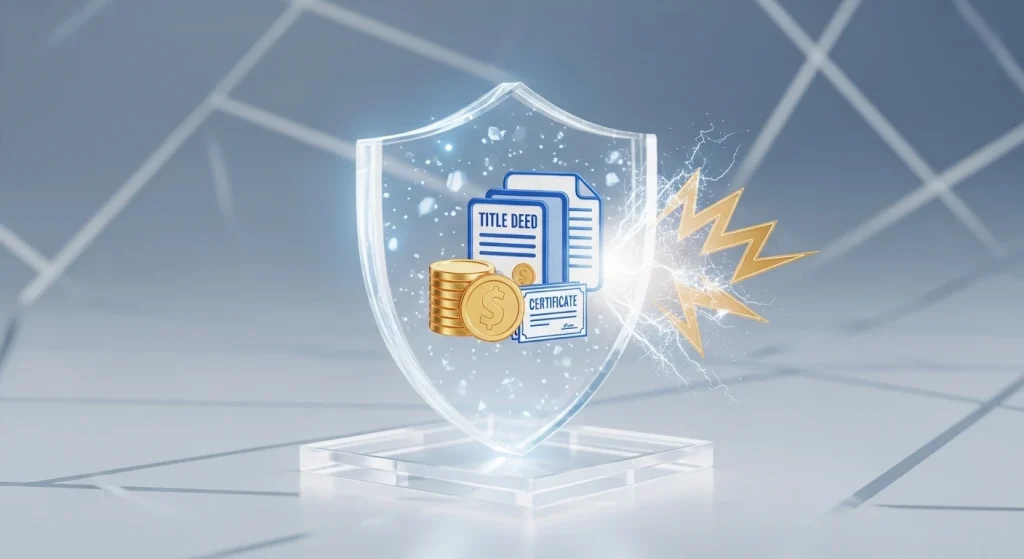
Once you transfer your property, stocks, or cash into the foundation, those assets are technically owned by the foundation itself. If you face a personal lawsuit or financial claim in the future, those assets are generally shielded because they are no longer yours.
2. Succession Planning and Avoiding Probate
In many jurisdictions, when a person passes away, their assets are frozen during the “probate” process. This can take years and cost a fortune in legal fees. With a DIFC foundation setup, the entity lives on. The transition of control to your heirs happens seamlessly according to the rules you wrote in the foundation’s charter.
3. Full Control and Flexibility
One of the biggest myths about wealth structures is that you have to give up control. In a DIFC foundation, you (as the Founder) can sit on the Foundation Council. You can decide how the money is invested and when it is distributed, all while maintaining the legal benefits of the structure.
4. Privacy and Confidentiality
While the DIFC maintains high standards of transparency for regulators, the details of the beneficiaries and the specific assets held within the foundation are not accessible to the general public. This allows families to manage their affairs away from prying eyes.
Key Components of a DIFC Foundation
To successfully navigate a DIFC foundation setup, you need to be familiar with the “characters” involved in the structure.
| Role | Responsibility |
| The Founder | The person who provides the assets and establishes the foundation. |
| The Council | Similar to a Board of Directors. They manage the foundation and its assets. |
| The Guardian | An optional role that “watches over” the council to ensure they follow the Founder’s wishes. |
| Beneficiaries | The individuals or entities (like charities) entitled to benefit from the assets. |
| Registered Agent | A licensed firm (like a law firm or corporate service provider) that handles the paperwork. |
The Step-by-Step DIFC Foundation Setup Process
Setting up a foundation isn’t something you do overnight, but the process in the DIFC is remarkably streamlined compared to other global jurisdictions.
Step 1: Initial Planning and Consultation
Before filing any papers for your DIFC foundation setup, you must define your objectives. Are you protecting Dubai real estate? Are you consolidating international stocks?
“We often see clients rush into the registration without a clear Charter,” says a senior Dubai-based wealth advisor. “The strength of a foundation lies in its bylaws. You need to spend time defining exactly what happens in ‘What If’ scenarios—like the marriage or divorce of a beneficiary.”
Step 2: Name Reservation
Your foundation needs a name. It must end with the word “Foundation.” The DIFC Registrar of Companies will check to ensure the name isn’t already taken or misleading.
Step 3: Drafting the Charter and By-laws
These are the most critical documents in your DIFC foundation setup.
- The Charter: This is a public document (filed with the Registrar) that outlines the name, the purpose, and the initial council members.
- The By-laws: This is a private document. It contains the “secret sauce”how assets are distributed, who the beneficiaries are, and the specific powers of the Guardian.
Step 4: Submission to the DIFC Registrar
Once your documents are drafted, your registered agent will submit the application through the DIFC portal. You will need to provide “Know Your Customer” (KYC) documentation for all parties involved, including passports and proof of address.
Step 5: Issuance of the License
If everything is in order, the Registrar will issue a Certificate of Establishment. At this point, your DIFC foundation setup is officially complete. You now have a legal person that can open bank accounts and hold titles to property.
Eligible Assets for a DIFC Foundation

What can you actually put inside your foundation? The flexibility is one of the main draws of a DIFC foundation setup.
- Real Estate: You can hold property located within Dubai (including “off plan” and completed units) and international real estate.
- Cash and Bank Accounts: You can open corporate bank accounts in the UAE or globally in the name of the foundation.
- Shares and Securities: Whether they are shares in your own private company or a portfolio of public stocks (Apple, Tesla, etc.).
- Intellectual Property: Trademarks, patents, and copyrights can be managed through the foundation.
- Art and Collectibles: High-value assets like private jet shares or art collections are often held here for protection.
Costs Associated with DIFC Foundation Setup
Budgeting is essential. While the long-term savings in probate and taxes are massive, there are upfront costs for a DIFC foundation setup.
- Registration Fee: Generally around $200 USD (one-time).
- Annual License Fee: Approximately $200 USD per year.
- Registered Agent Fees: This varies based on the complexity of your structure and the firm you choose.
- Legal/Consultancy Fees: Drafting high-quality By-laws usually requires expert legal input.
Note: Prices are subject to change by the DIFC Authority; always verify current rates with your consultant.
Common Myths About DIFC Foundations
There is a lot of misinformation regarding wealth management in the UAE. Let’s clear the air.
“Foundations are only for billionaires.”
This is false. While many ultra-wealthy families use them, a DIFC foundation setup is accessible to any professional or family with assets worth protecting, such as a family home and a moderate investment portfolio.
“I lose ownership of my property.”
Technically, yes the foundation owns it. However, since you control the foundation, you effectively retain the benefits of ownership without the legal liabilities.
“It’s just a way to avoid taxes.”
The UAE is increasingly aligned with international tax standards. A DIFC foundation setup is primarily a tool for Asset Protection and Succession Planning. While the UAE currently has a 0% corporate tax rate for many qualified entities (subject to specific conditions), the main goal is security and legacy, not just tax evasion.
Comparing DIFC Foundations vs. Trusts
Why choose a DIFC foundation setup over a traditional trust?
- Legal Personality: A foundation is a “person” in the eyes of the law. It can own things directly. A trust is a “relationship” where a trustee holds things for someone else.
- Familiarity: For people from Civil Law backgrounds (like Europe, South America, or the Middle East), the concept of a “foundation” is often easier to understand than the abstract concept of a “trust.”
- Registration: Foundations are registered with a central authority, providing a clear paper trail that banks and land departments prefer.
Practical Examples: How Families Use the DIFC Foundation
Case Study 1: The Multi-Generational Business
A family owns a successful trading business in Dubai. The founder is worried that when he retires, his three children will fight over the business, potentially destroying it. By using a DIFC foundation setup, the founder transfers the shares of the business to the foundation. The By-laws state that the business must be managed by a professional council, and the children receive dividends. This keeps the business intact for decades.
Case Study 2: The Real Estate Investor
An expat owns five villas in Dubai. He is concerned about UAE Sharia inheritance laws, which might distribute the houses in a way he didn’t intend. He completes a DIFC foundation setup and transfers the villas to the foundation. Now, the villas are governed by the foundation’s By-laws, which follow his specific wishes, bypassing the default inheritance rules.
E-E-A-T: Expert Tips for a Smooth Setup
To ensure your DIFC foundation setup is recognized and respected globally, follow these expert-vetted tips:
- Appoint a Qualified Guardian: Don’t just pick a family member. Consider a professional firm or a trusted advisor who understands the legal responsibilities.
- Update Your By-laws Regularly: Life changes. Marriages, births, and new business ventures should trigger a review of your foundation’s documents.
- Maintain Records: The DIFC requires foundations to keep accurate financial records. Even if you don’t have a large income, staying organized is key to maintaining your license.
- Think Long Term: A foundation is meant to last 100 years or more. Don’t make the rules too rigid; allow the council some “discretion” to adapt to the future.
Future-Proofing Your Wealth in 2026 and Beyond

The world of international finance is changing. With the rise of global reporting standards (like CRS and FATF guidelines), having a transparent, onshore structure like a DIFC foundation setup is much better than using “tax havens” of the past.
Dubai’s commitment to being a “safe haven” makes the DIFC one of the most stable places on earth to anchor your wealth. By choosing this path, you aren’t just filing paperwork; you are building a fortress around your family’s future.
Conclusion:
The decision to begin a DIFC foundation setup is a significant milestone in any wealth management journey. It represents a shift from “making money” to “preserving a legacy.” We have explored how foundations offer a unique blend of corporate structure and fiduciary care, providing a level of asset protection and succession clarity that few other tools can match.
Don’t leave your family’s future to chance or outdated legal systems. A properly structured foundation ensures that your assets are managed exactly how you want, providing peace of mind for you and a solid foundation for those who come after you.
Ready to secure your legacy?
Building a foundation requires precision, local expertise, and a deep understanding of DIFC regulations. We specialize in helping families and entrepreneurs navigate the complexities of UAE wealth structures. Contact us today to discuss your specific needs and start your journey toward total financial security.
Click here to visit our Contact Us page and speak with an expert today.