Why Dubai is a Good Place to Invest
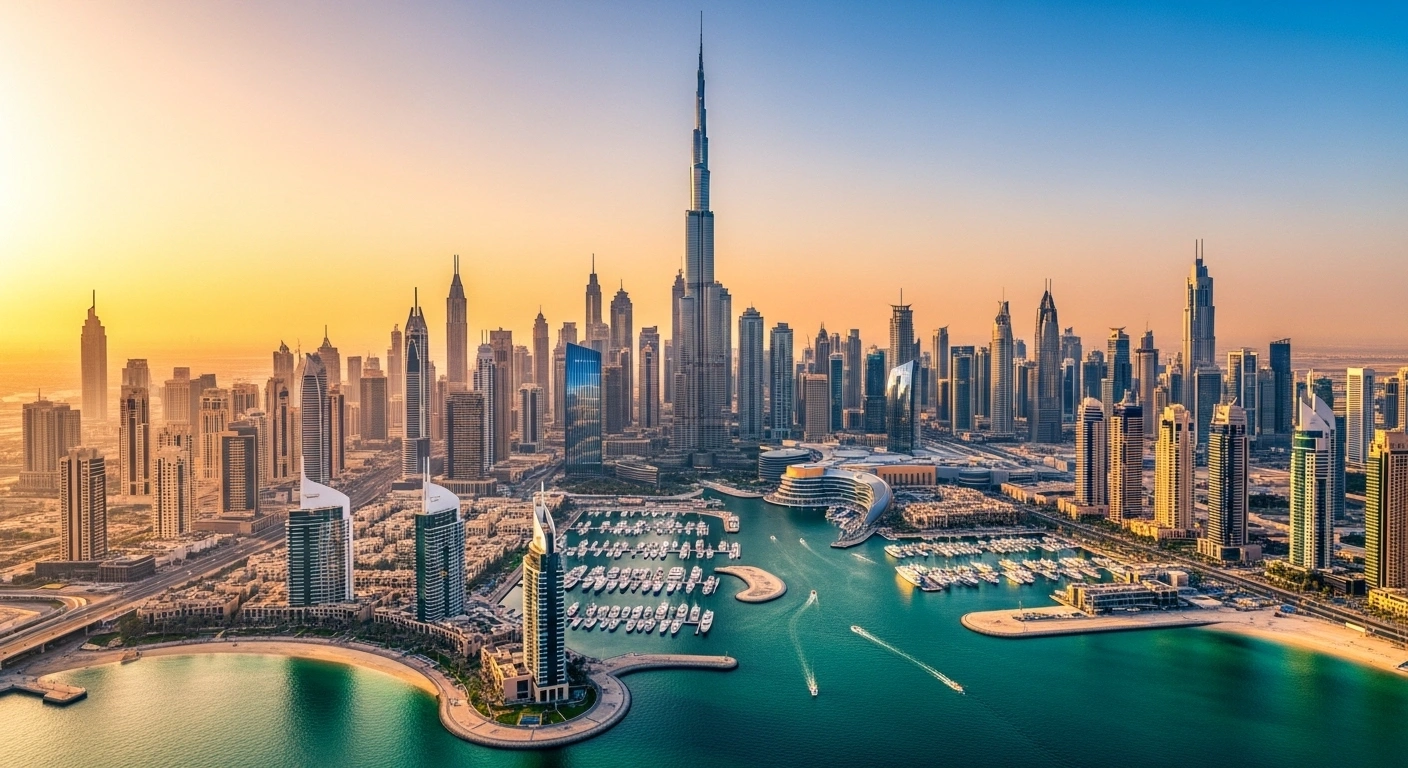
Global markets feel shaky these days. Inflation bites hard in many countries, taxes take big chunks of your returns, and finding steady growth without drama is tough. Investors everywhere are hunting for somewhere that actually delivers reliable profits and peace of mind.
Why Dubai is a good place to invest comes down to a simple truth: the city combines rock-solid fundamentals with investor-first rules that let your money work harder. From tax-free income to a booming economy and easy residency options, Dubai turns capital into real results year after year. Whether you are eyeing real estate, starting a business, or diversifying your portfolio, this guide walks you through exactly why it makes sense right now in 2026 — with clear numbers, practical steps, and honest insights.
Why Dubai is a Good Place to Invest
Dubai has moved far beyond oil. Non-oil sectors now drive more than 75% of the emirate’s activity, and that shift keeps accelerating. Tourism, finance, logistics, and tech form the backbone of steady expansion that feels built to last.
Emirates NBD forecasts Dubai’s economy to grow 4.5% in 2026, matching the strong pace seen in 2025. The UAE as a whole sits around 5% according to IMF and World Bank projections. This growth stays broad-based — private sector momentum, public infrastructure spending, and rising visitor numbers all pull in the same direction.
Population growth adds real fuel. Dubai crossed 4 million residents recently, with forecasts pointing toward continued steady increases. More people mean higher demand for homes, offices, shops, and services. Investors who position themselves now ride that wave instead of watching from the sidelines.
What stands out is the stability within the growth. Unlike boom-and-bust cycles in some markets, Dubai’s planners keep a long view. Events like the lingering benefits from Expo 2020 infrastructure and new mega-projects create compounding advantages that compound over decades.
How Diversification Reduces Risk
Relying on one sector invites trouble. Dubai learned that lesson early and spread its bets. Logistics through Jebel Ali port handles massive cargo volumes. Aviation keeps Dubai International Airport among the world’s busiest. Finance draws major banks and fintech players. Tourism welcomed record visitors in recent years and shows no sign of slowing.
This mix means when one area faces headwinds, others often pick up slack. For investors, it translates to more predictable returns and fewer sleepless nights.
Attractive Tax Regime That Actually Helps Investors
One of the biggest reasons people move money to Dubai is the tax setup. There is simply no personal income tax. No capital gains tax on property sales. No annual property tax. Rental income flows straight to your pocket without deductions.
Corporate tax sits at 9% on mainland profits above a certain threshold, but free zones offer generous exemptions for qualifying activities and income. You can repatriate 100% of your profits without hassle.
Compare that to places where 30-50% of earnings disappear in taxes. In Dubai, those savings compound fast. A property generating 7% gross yield keeps almost all of it. Over five or ten years, the difference becomes life-changing for your net worth.
Foreign investors especially appreciate the transparency. Rules stay consistent, and the government actively promotes investor-friendly policies rather than changing them every election cycle.
Real Impact on Different Investor Types
- Real estate buyers: Keep every dirham of rent and full sale proceeds (minus minor fees).
- Business owners: Structure through free zones for zero corporate tax on most qualifying income.
- High-net-worth individuals: Preserve wealth across generations without inheritance tax worries.
These advantages explain why so many Europeans, Asians, and Americans quietly shift portions of their portfolios here.
High-Return Real Estate Opportunities

Real estate remains the star for most investors in Dubai, and 2026 continues the positive story with more balance than the super-heated years before.
Dubai Land Department recorded over AED 680 billion in property sales in 2025 across more than 200,000 transactions — a clear sign of deep liquidity. Total transaction value including mortgages hit around AED 919 billion. That volume shows serious money flowing in and out smoothly.
Rental yields still beat most global cities. Average residential yields range from 6% to 8%, with strong pockets in Jumeirah Village Circle, Business Bay, and Dubai South delivering 7-9%. Even established areas like Dubai Marina offer stable 5.5-6.5% net returns.
Price growth is moderating but remains positive. Forecasts point to 5-10% overall residential appreciation in 2026, with prime segments around 3% and mainstream closer to 1-5%. Villas have shown particular strength, with some segments up significantly in recent years.
New supply is coming — around 180,000 units expected between 2026 and 2028. This tempers explosive gains but supports healthy absorption thanks to population growth and wealth migration. Demand from end-users and long-term investors keeps the market grounded.
Smart Areas and Strategies for 2026
Focus on locations aligned with infrastructure and lifestyle demand:
- Established communities: Dubai Marina, Downtown — reliable rentals and resale.
- Growth corridors: Areas near new metro lines or Dubai 2040 plan zones often see faster appreciation.
- Off-plan vs ready: Off-plan can offer payment plans and potential upside, but choose developers with strong track records.
- Villa vs apartment: Villas deliver stronger recent price growth; apartments provide easier entry and higher yields in some cases.
Practical tip: Always factor in service charges and potential vacancy periods. Professional property management typically costs 5-10% of rent but saves headaches and maximizes occupancy.
Here’s a quick comparison table:
| City | Avg Rental Yield | Annual Property Tax | Capital Gains Tax | Typical Price Growth (recent avg) |
|---|---|---|---|---|
| Dubai | 6-8% | 0% | 0% | 5-15% (moderating to 5-10% in 2026) |
| London | 3-5% | Up to 2%+ | Up to 28% | 2-5% |
| Singapore | 3-4% | 0.1-0.6% | Varies | 3-7% |
| New York | 3-4% | 1-2%+ | Up to 23.8% | 4-8% |
Dubai clearly wins on net returns for most investors.
Seamless Business Setup and Full Ownership
Setting up a company here is straightforward and fast — often possible in days or weeks.
Free zones give 100% foreign ownership, 100% profit repatriation, and tax advantages. Popular ones include DMCC for commodities, JAFZA for logistics, and Meydan for general business. Mainland companies now also allow 100% ownership in most sectors without a local sponsor.
The process is digital and efficient. Choose your activity, reserve a name, get approvals, and open a bank account. Many free zones bundle license, flexi-desk, and visas into packages that lower startup costs.
Entrepreneurs love the ecosystem. Networking events, accelerators, and government support for innovation create fertile ground. Sectors seeing big interest in 2026 include fintech, e-commerce, renewable energy, and tourism-related businesses.
Strategic Location and World-Class Infrastructure

Dubai sits at the crossroads of Europe, Asia, and Africa — a natural hub for trade and travel. Two major airports connect to over 240 destinations. The port handles massive volumes. New roads, metro expansions, and smart city tech keep everything moving smoothly.
This connectivity matters for business. You can reach key markets in hours rather than days. For real estate investors, it means strong demand from international professionals who value easy global access.
Ongoing infrastructure projects tied to the Dubai 2040 Urban Master Plan will only strengthen this advantage over the next 15 years.
Unmatched Safety and Quality of Life
Safety ranks among Dubai’s biggest quiet advantages. In 2026 Numbeo data, the UAE leads globally in safety indices, with Abu Dhabi often named the world’s safest city for a decade running and Dubai consistently in the top tier. Low crime rates, well-lit streets, and efficient policing create an environment where you can focus on growth instead of worry.
Quality of life matches the safety. World-class healthcare, international schools, luxury amenities, and a vibrant multicultural scene attract top talent. Families settle comfortably. Professionals enjoy work-life balance that many Western cities struggle to match.
This environment draws high-earners and entrepreneurs, which in turn supports property demand and business opportunities.
Golden Visa and Long-Term Residency Perks
Property investment opens the door to residency. Buy real estate worth AED 2 million or more and qualify for a 10-year renewable Golden Visa. You can sponsor your spouse, children, and even parents.
The visa lets you live, work, and study in the UAE with minimal stay requirements. Many investors use it as a base while keeping global mobility. It also signals long-term commitment that often unlocks better financing and networking.
Requirements are clear: valid title deed showing the purchase value meets the threshold (mortgaged properties need proof of equity paid). Processing takes 7-10 business days through Dubai Land Department channels.
Emerging Sectors Ripe for Investment
Beyond real estate, several areas offer strong potential in 2026:
Technology and AI: Dubai’s smart city initiatives and innovation hubs create openings for startups and service providers.
Tourism and hospitality: Record visitor numbers drive hotels, holiday homes, and entertainment concepts.
Renewable energy and sustainability: Aligned with national net-zero goals.
Fintech and financial services: Regulatory sandboxes and growing digital economy.
Healthcare and wellness: Rising demand from affluent residents and medical tourism.
Logistics and e-commerce: Leveraging the strategic location.
Investors can enter through direct business setup, funds, or real estate tied to these sectors (like commercial spaces in tech parks).
Dubai 2040 Urban Master Plan — A Clear Roadmap for Growth
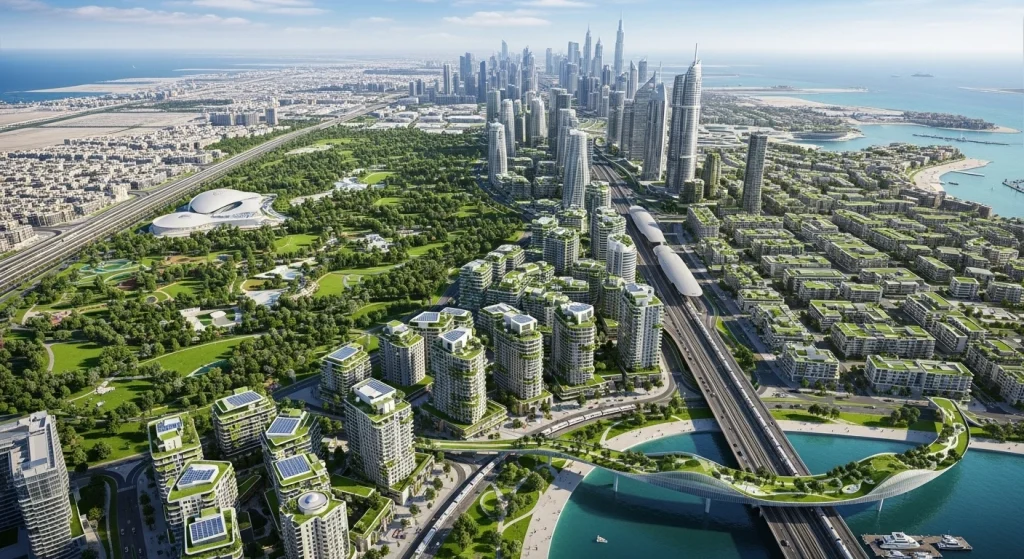
This 20-year blueprint shapes where and how the city expands. It calls for more balanced communities, 400% increase in green spaces in some targets, better public transport, and five major urban centers.
For investors, the plan removes guesswork. Areas marked for growth — near new metro stations or mixed-use districts — typically see stronger long-term appreciation and rental demand. Early positioning in these corridors has historically paid off.
The focus on sustainability also appeals to modern buyers and tenants who value green living, supporting premium pricing in well-planned communities.
Understanding Potential Challenges
No market is perfect. Increased supply in 2026-2028 could soften prices in some segments. Global economic shifts or interest rate changes might affect sentiment temporarily.
The smart approach is diversification within Dubai — mix of ready and off-plan, different areas, perhaps combining residential with commercial or business investment. Work with established professionals who know local nuances. Strong fundamentals and government vision have helped the market weather past cycles successfully.
Practical Steps to Start Investing in Dubai
- Define your goals: Growth, income, residency, or business expansion?
- Research and budget: Factor in all costs including 4% DLD fee, agent fees, and potential service charges.
- Choose professionals: Engage licensed brokers, lawyers, and property managers with proven track records.
- Explore financing: Local banks offer competitive rates for residents and some non-residents.
- Visit or virtual tour: See areas firsthand or use high-quality video walkthroughs.
- Complete due diligence: Check developer history, title status, and location plans.
- Secure your visa and structure: Apply for Golden Visa if eligible and set up the right company vehicle.
Start small if you are testing the waters — many successful investors began with one apartment and scaled up.
Why Dubai is a good place to invest ultimately comes down to results you can measure: higher net returns, easier operations, and a stable environment that supports long-term wealth building. The combination of economic momentum, tax advantages, safety, and forward-looking planning creates an edge that few places match in 2026.
Markets will always have ups and downs, but Dubai’s track record and clear direction make it a standout choice for investors who want their capital to grow efficiently while enjoying a high quality of life.
Contact our experienced team today. Whether you want help finding the right property, setting up a business, or structuring your investment for maximum benefit, we are here to guide you every step of the way. Visit our contact page now to schedule a personalized consultation and take the first step toward building your success in Dubai.